INNOVATION
World's Largest Direct Air Capture Plant Goes Live
Carbon Engineering's Stratos facility in Texas began commercial ops, capturing 500,000+ tons of CO2 yearly with Microsoft as a key buyer
17 Jun 2026
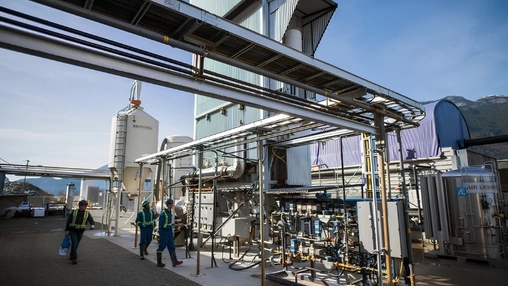
Carbon Engineering launched commercial operations at its Stratos facility in Ector County, Texas, on January 27, 2026. The plant now holds the title of world's largest direct air capture facility, pulling more than 500,000 tons of CO2 from the atmosphere each year. That figure puts every previous attempt at atmospheric carbon removal in the shade.
Stored permanently in deep saline aquifers, the captured carbon is disposed of in a way that is both durable and scalable, two qualities that have consistently eluded earlier removal technologies.
Microsoft sealed a purchase agreement for Stratos's carbon credits, bringing enterprise purchasing power into a market that has long struggled to find it. Backing from Breakthrough Energy, Mitsubishi, and Siemens signals that major capital is now flowing into direct air capture at commercial scale. That combination of finance, engineering muscle, and corporate demand is precisely what the sector needed to move beyond pilot projects and press releases.
DNV's Global Segment Lead for CCUS, Jamie Burrows, had flagged this moment before it arrived. "Looking ahead to 2026, momentum is set to continue with Project Greensand in Denmark expected to enter operation, and the commercial start-up of Stratos in Texas," Burrows said, describing it as "the world's largest direct air capture facility." Independent validation of that kind matters. It builds the market confidence that persuades the next wave of buyers to sign on.
For businesses navigating net-zero commitments, Stratos offers something most offset options cannot: permanent removal rather than avoidance. Regulators and investors are increasingly drawing that distinction, and companies that cannot demonstrate it are starting to feel the pressure. With Microsoft's deal setting a pricing reference point, broader corporate adoption looks likely to accelerate through 2026 and into 2027, reshaping what it actually means to meet a climate target.
Related News


SUBSCRIBE FOR UPDATES
By submitting, you agree to receive email communications from the event organizers, including upcoming promotions and discounted tickets, news, and access to related events.